If you’ve searched “natural remedies for IBS” before, chances are you’ve already tried half the list: eat more fibre, drink more water, cut down on stress, take a probiotic. Some of it helped a little. Some of it didn’t move the needle at all — or even made things worse. That’s not a failure on your part. IBS isn’t one condition with one cause; it’s a cluster of symptoms that can be driven by completely different underlying imbalances from person to person, which is exactly why generic advice has such an inconsistent track record.
Why Generic IBS Advice Often Doesn’t Work for Everyone
The same recommendation — “eat more fibre” or “try a probiotic” — can calm one person’s gut and aggravate another’s, because IBS symptoms can stem from several different root patterns: food intolerances the person hasn’t identified yet, an overgrown or imbalanced gut microbiome (including SIBO), a nervous system stuck in a stress response that slows or speeds digestion, or a combination of several of these at once. A remedy aimed at the wrong pattern won’t do much, however well it’s worked for someone else. The list below is organized so you can see which category each remedy addresses — and where it fits into a broader root-cause picture.
Diet-Based Remedies
- Start with the low-FODMAP basics. FODMAPs are fermentable carbohydrates (found in foods like onions, garlic, wheat, and certain fruits) that draw water into the gut and ferment quickly, both of which can trigger bloating, gas, and altered bowel habits in sensitive guts. Temporarily reducing high-FODMAP foods, then reintroducing them one at a time, is one of the more consistently studied dietary approaches for IBS.
- Get fibre right, not just more. Insoluble fibre (bran, skins, seeds) can aggravate IBS with diarrhoea, while soluble, gel-forming fibre (oats, psyllium) tends to be better tolerated and can help regulate stool consistency in both constipation- and diarrhoea-predominant IBS. Adding fibre gradually matters as much as the type.
- Identify your personal trigger foods. Beyond FODMAPs, individual intolerances — to dairy, gluten, histamine-rich foods, or specific additives — are common and easy to miss without structured testing or a food-and-symptom diary, since triggers can be delayed by hours.
- Support your gut flora with the right probiotic strains. Not all probiotics behave the same way in IBS; strain, dose, and consistency all matter, and some strains have been studied specifically for IBS symptom patterns while others show little effect. A probiotic chosen without regard to your specific symptom pattern is a guess, not a treatment.
Lifestyle Remedies
- Move your body, even gently. Regular movement — walking, gentle cardio, yoga — stimulates gut motility and is commonly associated with reduced IBS symptom severity, likely through both mechanical and stress-reducing effects.
- Protect your sleep and circadian rhythm. The gut has its own internal clock, and irregular sleep patterns are associated with more frequent and more severe IBS flares. Consistent sleep and wake times support more predictable digestion.
- Stay properly hydrated. Adequate fluid intake supports fibre’s effect on stool consistency and helps prevent the harder stools that worsen constipation-predominant IBS — a simple lever that’s often overlooked.
Stress & the Gut-Brain Connection
The gut and the nervous system are in constant two-way communication, and stress hormones can directly speed up or slow down digestion, change gut sensitivity, and shift the balance of gut bacteria. This is part of why the same meal can pass without issue on a calm day and trigger symptoms during a stressful week — the gut isn’t being inconsistent, the nervous system state feeding into it is.
- Work directly with your nervous system. Diaphragmatic breathing, meditation, gut-directed hypnotherapy, and other relaxation techniques are associated with real, measurable benefit for IBS symptoms by calming the stress response that drives gut dysregulation — this isn’t a “nice extra,” it works on the same mechanism the symptoms come from.
- Consider what Traditional Chinese Medicine calls gut-energy balance. TCM views many IBS-type patterns through concepts like Spleen Qi deficiency or Liver Qi stagnation — different framing for a similar observation: that digestive rhythm and emotional or stress state are deeply linked, and treating one without the other rarely resolves things fully.
Nutrient & Supplement Support
- Peppermint oil (enteric-coated). One of the better-studied natural options for IBS, peppermint oil relaxes intestinal smooth muscle and can reduce cramping and bloating for some people — enteric coating matters, since it determines where in the gut the oil is released.
- Ginger for nausea and motility. Ginger has a long history of use for digestive discomfort and may gently support motility, particularly for people whose IBS symptoms include nausea or a sluggish feeling after meals.
- Magnesium and B vitamins. Magnesium can gently support bowel regularity in constipation-predominant IBS, while adequate B-vitamin status supports the nervous system pathways involved in gut motility and the stress response described above.
When Home Remedies Aren’t Enough — Getting a Root-Cause Diagnosis
If you’ve worked through remedies like these for a few months and symptoms are still unpredictable, that’s usually a sign the underlying trigger hasn’t been identified yet — not that nothing will work. At Integrative Health Clinic, we use Electro Physiological Diagnostics (EPD) alongside a full intake to map which of these patterns — food intolerance, dysbiosis, nervous-system dysregulation, or a combination — is actually driving your symptoms, so the plan that follows is built around your gut specifically rather than a general list.
If your symptoms persist, a personalised consultation with Adriana Guarín — a mesologist registered with NVVM, VBAG, and RBCZ — can help identify which natural remedies for IBS are most likely to work for your specific triggers.
Key Takeaways
- IBS has multiple possible root causes, so the same remedy can help one person and do nothing for another.
- Diet-based remedies (low-FODMAP, fibre type, personal trigger foods, targeted probiotics) address the food side of the equation.
- Movement, sleep, and hydration are simple but genuinely effective levers, not just general wellness advice.
- The gut-brain connection means stress management is a legitimate IBS treatment, not a side note.
- When symptoms persist despite trying these remedies, a structured root-cause diagnosis can identify what’s actually driving them.
IMPORTANTE:: This content is informational and doesn’t replace assessment by your GP or gastroenterologist. Natural remedies are intended to complement medical IBS care, not substitute for it.
IBS support
Read more about IBS treatment on our IBS Treatment Amsterdam page.
Preguntas frecuentes
FAQ About Natural Remedies for IBS
Can IBS be cured naturally?
IBS can’t always be “cured” in the sense of being permanently eliminated, but symptoms can often be brought under long-term control once the specific triggers — dietary, microbial, or stress-related — driving your case are identified and addressed.
How long do natural remedies for IBS take to work?
Diet changes like low-FODMAP often show initial signals within 2–4 weeks; lifestyle and stress-focused approaches tend to build benefit more gradually over 6–12 weeks of consistent practice.
Is a low-FODMAP diet safe to follow long-term?
No — it’s designed as a short elimination-and-reintroduction process, typically a few weeks of restriction followed by structured reintroduction, not a permanent way of eating. Staying restricted indefinitely can affect gut microbiome diversity.
Do I need testing before trying supplements?
Not strictly, but testing helps target supplements to what your body actually needs rather than trialling them one at a time. This is especially useful if you’ve already tried several remedies without clear results.
When should I see a doctor about IBS symptoms?
Any time symptoms are new, worsening, or accompanied by red-flag signs such as unintended weight loss, rectal bleeding, or symptoms starting after age 50, a medical evaluation should come first to rule out other conditions.
Si antes ya buscaste “remedios naturales para el SII”, es probable que ya hayas probado la mitad de la lista: comer más fibra, beber más agua, reducir el estrés, tomar un probiótico. Algunos de ellos ayudaron un poco. Otros no hicieron ninguna diferencia —o incluso empeoraron las cosas. Esto no es un fracaso tuyo. El SII no es una enfermedad con una sola causa; es un conjunto de síntomas que pueden estar provocados por desequilibrios subyacentes completamente diferentes en cada persona, por eso los consejos genéricos suelen tener tan poco éxito.
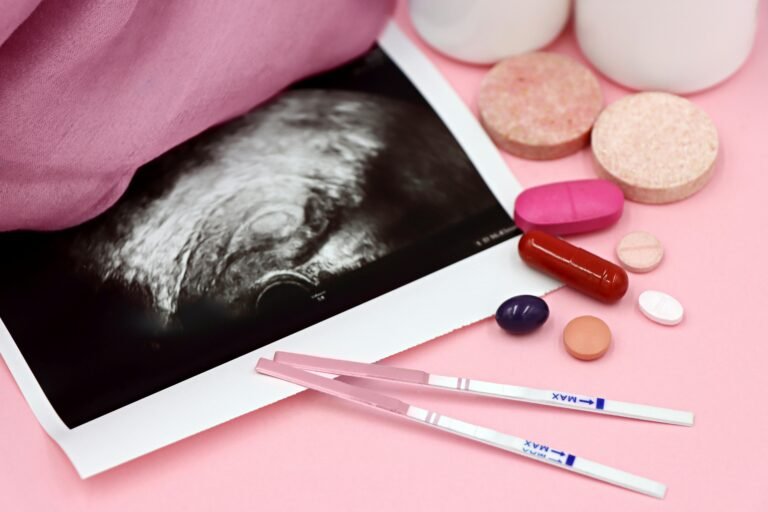
Cada mes que pasa sin una prueba positiva puede sentirse más pesado que el anterior, y también más vago que el anterior, si nadie puede decirte por qué. "Solo relájate" y "dale tiempo" son las dos frases que casi todas las mujeres que intentan concebir escuchan en algún momento, por lo general justo cuando necesitan una respuesta real en su lugar.En la Clínica de Salud Integrativa en Ámsterdam, este es el punto de partida para la mayoría de las mujeres que veo: no la infertilidad en el sentido estricto, sino la subfertilidad, una posibilidad reducida de concebir que no se ha explicado por completo. Algunas apenas están empezando a registrar sus ciclos. Otras están a mitad de un proceso de inseminación intrauterina o fecundación in vitro y quieren que su cuerpo reciba apoyo, no solo monitoreo. El trabajo se sitúa entre la medicina reproductiva convencional y una visión más amplia y holística de la fertilidad.