
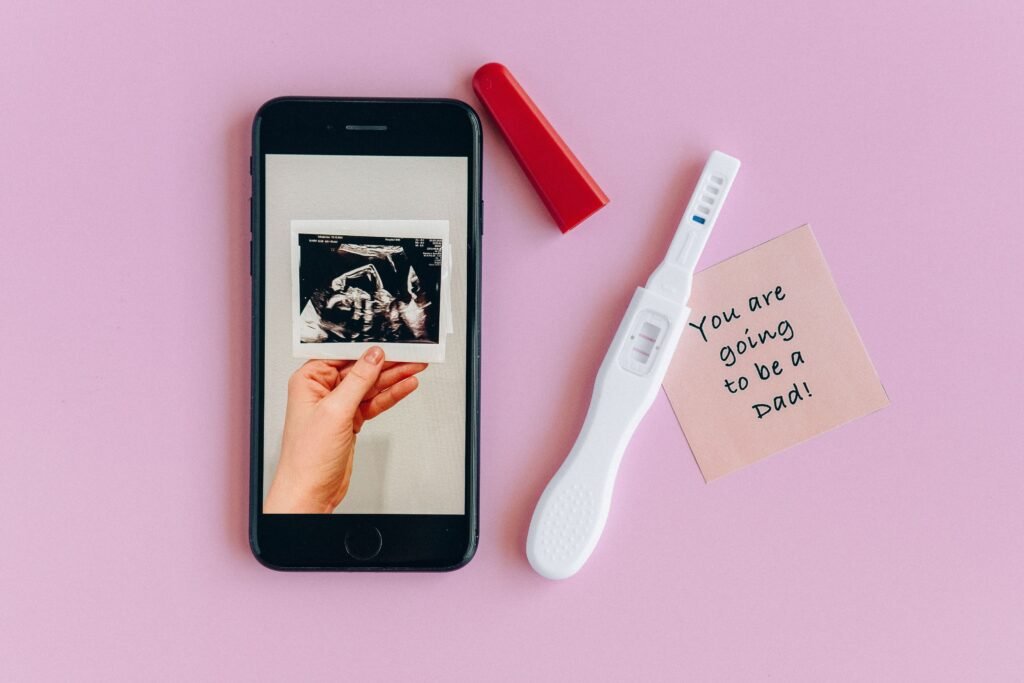
There’s a particular kind of frustration that comes with good news that changes nothing. Semen count: fine. Motility: fine. Hormones: within range. And still, month after month, no pregnancy. No diagnosis to research, no clear next step to take — just a result that says everything should be working.
Clinicians call this unexplained male subfertility, and it’s one of the conversations I have most often at Integrative Health Clinic in Amsterdam. Usually with men who feel stuck between “there’s nothing wrong with you” and the lived reality that something clearly isn’t lining up.
What Unexplained Male Subfertility Actually Means
The label gets used when four things are true at once: a couple has been trying for a year or more, both partners’ basic work-ups are unremarkable, timing and frequency of intercourse are appropriate, and no specific medical cause has surfaced. It is, in other words, a description of what testing hasn’t found — not proof that nothing is happening.
In practice, this usually means the answer is sitting in territory that a standard semen analysis was never built to measure.
The Blind Spots in a Standard Semen Analysis
A routine semen analysis reports three things: count, motility, and morphology. That’s genuinely useful information, but it stops well short of the full picture. It says nothing about:
- Sperm DNA fragmentation or epigenetic quality
- Subtler hormonal imbalances that don’t cross a lab’s reference threshold
- Low-grade, systemic inflammation
- The gut and reproductive-tract microbiome
- Nervous-system load and stress resilience
- Nutrient status and accumulated toxic burden
A man can score “normal” on paper across the board and still not be in the physiological state best suited to conceiving and sustaining a healthy pregnancy. The lab report and the lived outcome aren’t always telling the same story.
Beyond what a lab report captures, well-established modifiable factors shape sperm quality directly: research shows “increasing body mass index (BMI) is linked with decreasing sperm count and sperm movement,” smoking is linked to lower sperm counts, and regular exposure to pesticides, lead, and other environmental toxins can affect both sperm quantity and quality.
" The lab report and the lived outcome aren't always telling the same story. "
An Integrative Practitioner's Starting Question Is Different
As Adriana Guarín — a mesologist registered with NVVM, VBAG, and RBCZ — I treat fertility as an output of the whole system, not a property of the testes in isolation. Rather than asking “are the sperm numbers acceptable,” the working question becomes: what is the body’s overall state, and what in that state might be quietly working against conception?
In practice, that means looking at:
- Digestion and metabolism. How food is broken down and absorbed feeds directly into hormone production and detoxification capacity. Bloating, reflux, and post-meal energy dips are relevant data points, not unrelated complaints.
- Liver function. The liver processes hormones, clears environmental substances, and metabolises fat. When it’s under strain, hormonal balance and systemic inflammation both tend to shift.
- Gut microbiome. Disrupted gut flora affects immune signalling, hormone metabolism and inflammation — and local microbiota in the reproductive tract itself has a direct bearing on sperm quality.
- The endocrine system as a network. Testosterone alone is an incomplete picture; thyroid function, adrenal output, and the brain’s central regulation of the whole axis all matter. Imbalances here can sit just inside “normal” ranges while still showing up as real symptoms.
- Stress and the nervous system. Chronic stress runs through both the HPA and HPG axes, with downstream effects on hormones, sleep, recovery — and fertility. The emotional weight of trying to conceive is itself part of that loop, not separate from it.
- Constitutional patterns (TCM and Ayurveda). Concepts like Kidney energy, ojas, agni, and yin-yang balance offer a different lens for understanding how a man’s underlying constitution relates to reproductive strength — often surfacing patterns that lab work doesn’t have a category for.
Put together, these layers build a considerably richer picture than three numbers on a lab report ever could.
What a Trajectory Looks Like in Practice
- Step 1 — The intake (about 90 minutes). We go through your and your partner’s fertility story and any medical work-up so far, physical complaints (fertility-related or not), digestion, energy, sleep, mood, libido and stress, and your diet and lifestyle. Existing results — semen analysis, bloodwork — get folded straight into the picture.
- Step 2 — Mesological assessment. Using physical measurement (including testing at acupuncture points) alongside clinical reasoning, I map which organs and regulatory systems are under strain, combining conventional knowledge with TCM and Ayurvedic frameworks. The goal is a profile of you specifically — not a generic entry in the “normal results, still not pregnant” category.
- Step 3 — A personal plan, which may include targeted nutrition (anti-inflammatory, microbiome-supportive, hormone-balancing), lifestyle changes around movement, sleep and workload, supplement or herbal support where appropriate, liver and digestive support, and stress-regulation strategies built around your actual life. Wherever useful, this runs in coordination with your GP or fertility clinic rather than in parallel silence.
- Step 4 — Follow-up. We track how you’re feeling and how energy and symptoms shift, fold in new semen or blood results as they come in, and adjust the plan to match wherever you are in an ongoing IUI, IVF or ICSI process.
IMPORTANT: This content is informational and doesn’t replace assessment by your GP or gynaecologist. Integrative support is intended to complement medical fertility care, not substitute for it.
Fertility conditions
Integrative Health Clinic
Read more about fertility problems on my Fertility condition page.
Common Questions
FAQ About Fertility Treatment
What counts as "unexplained" male subfertility?
It’s the term used when a couple has been trying for a year or more, standard tests for both partners come back within normal range, timing is appropriate, and no specific medical cause is found. It describes a gap in what testing has identified, not an absence of any underlying cause.
Can semen analysis miss real fertility problems?
Yes. It measures count, motility and morphology, but says nothing about sperm DNA fragmentation, low-grade inflammation, microbiome balance, or subtler hormonal and nutritional factors any of which can affect the ability to conceive despite “normal” numbers.
What does a Integrative Practitioner actually look at for male fertility?
Digestion and metabolism, liver and detoxification capacity, gut microbiome, the endocrine system as a whole (not just testosterone), nervous-system and stress load, and constitutional patterns drawn from TCM and Ayurveda, building a full-system picture rather than isolating the reproductive organs.
Does this replace fertility clinic treatment like IUI or IVF?
No. It’s designed to run alongside your GP or fertility clinic, supporting the body’s broader state while medical treatment addresses the specific protocol. The two are meant to reinforce each other.
How long before we'd expect to see any change?
It varies by what’s driving the picture, but most plans are reviewed and adjusted at follow-up consultations, tracking energy, symptoms, and any new semen or blood results alongside where you are in an active treatment cycle.

If you’ve searched “natural remedies for IBS” before, chances are you’ve already tried half the list: eat more fibre, drink more water, cut down on stress, take a probiotic. Some of it helped a little. Some of it didn’t move the needle at all — or even made things worse. That’s not a failure on your part. IBS isn’t one condition with one cause; it’s a cluster of symptoms that can be driven by completely different underlying imbalances from person to person, which is exactly why generic advice has such an inconsistent track record.

Every month that passes without a positive test can feel heavier than the last — and vaguer than the last, too, if nobody can tell you why. "Just relax" and "give it time" are the two sentences almost every woman trying to conceive hears at some point, usually right when she needs a real answer instead.At Integrative Health Clinic in Amsterdam, this is the starting point for most of the women I see: not infertility in the strict sense, but subfertility a reduced chance of conceiving that hasn't been fully explained. Some are just beginning to track cycles. Others are mid-way through an IUI or IVF trajectory and want their body supported, not just monitored. The work sits between conventional reproductive medicine and a broader, whole-body view of fertility.